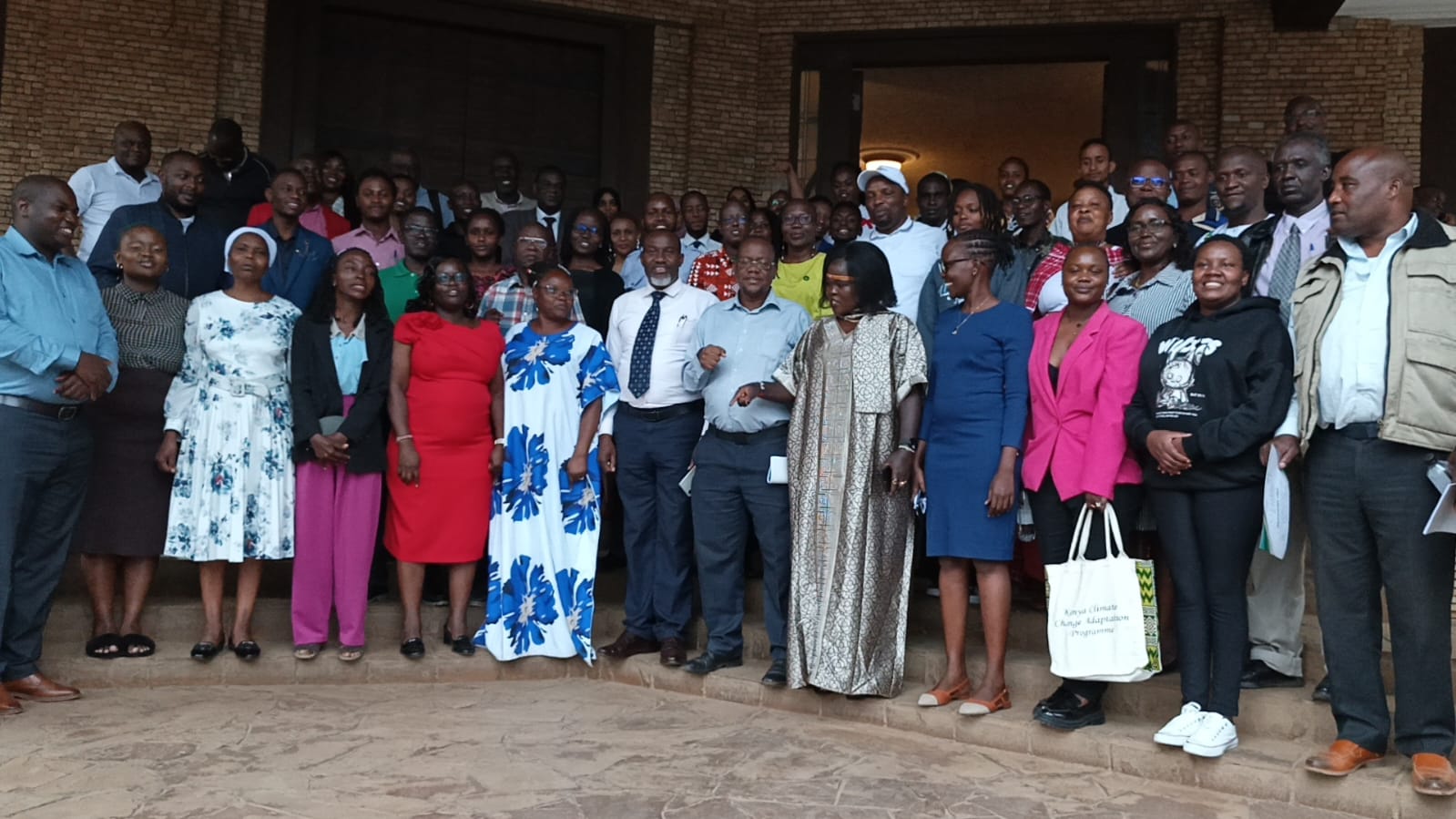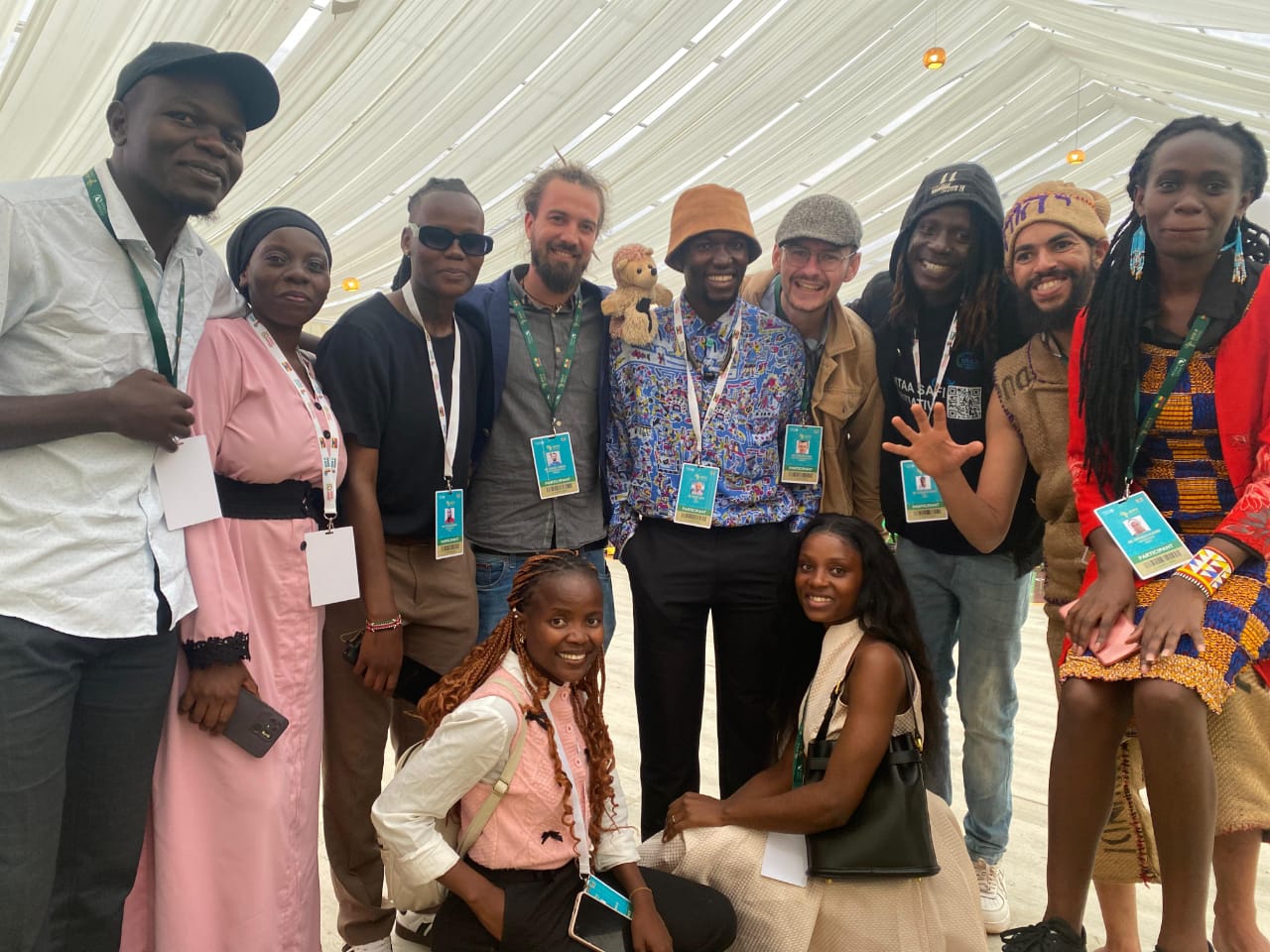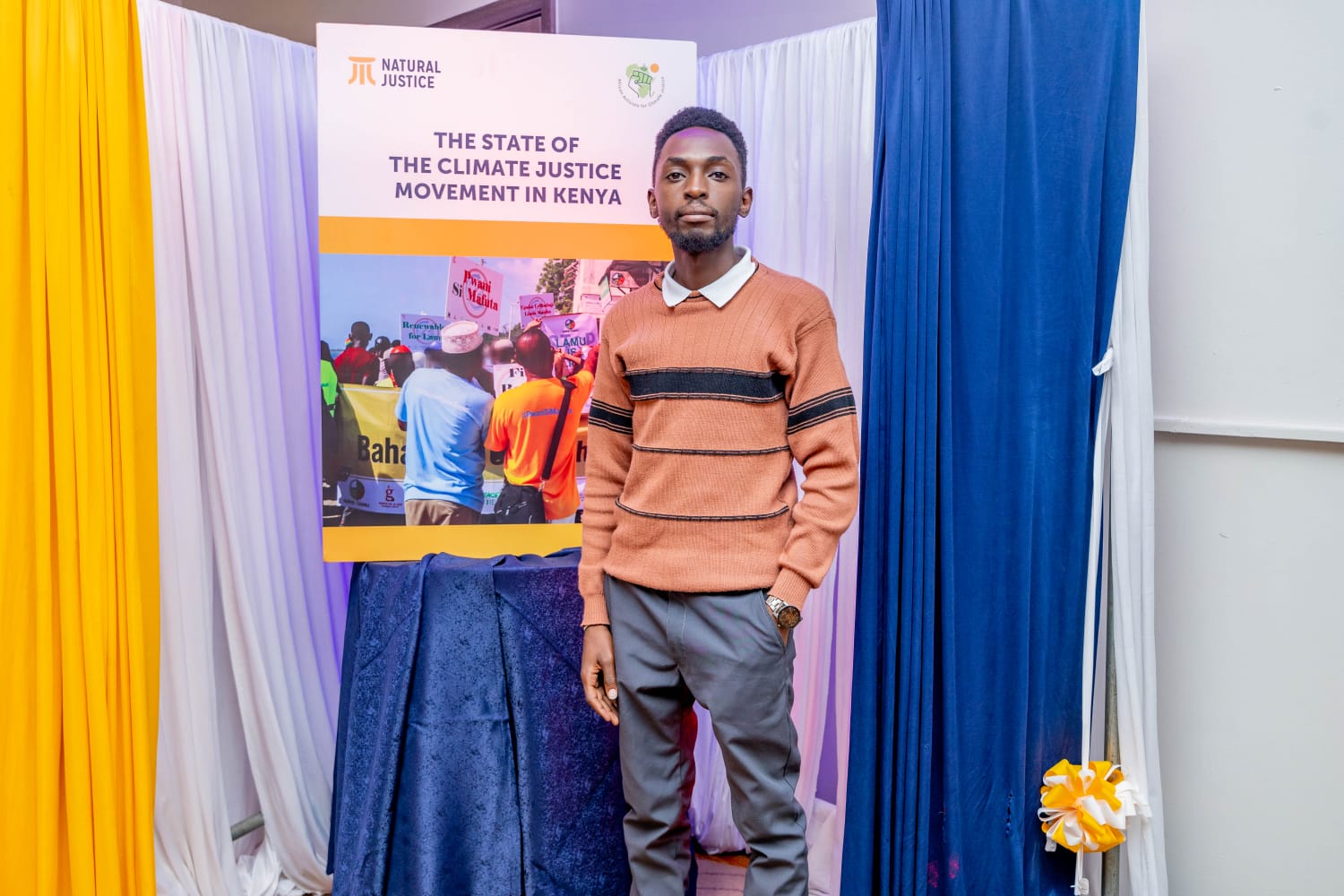
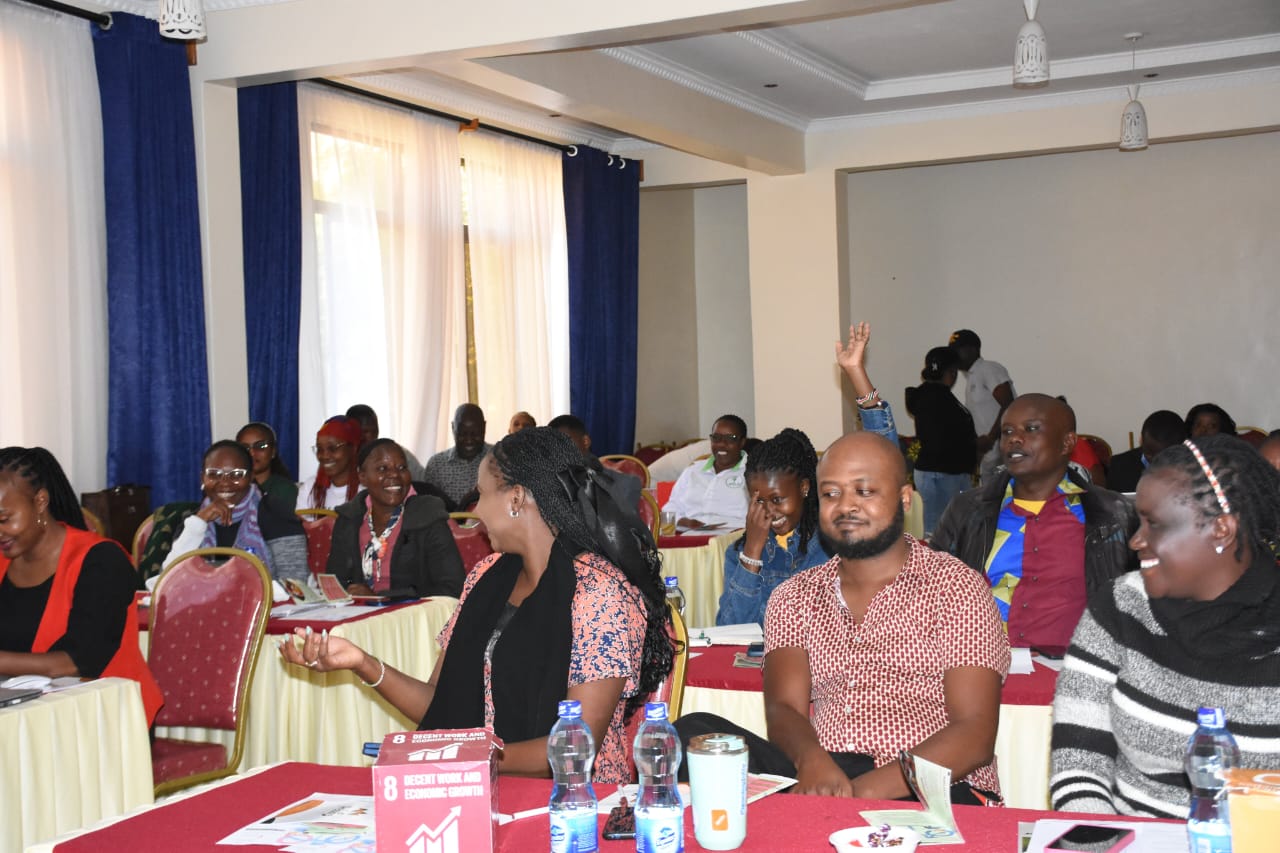
Mt. Kenya Network Forum’s participation in the Gender Policies Training Program and Community Dialogue reflected a critical principle that often gets spoken about but not fully practiced: meaningful development must also be gender-responsive. When communities, institutions, and organizations talk about justice, resilience, and sustainability, gender equality cannot be treated as a side topic.
This engagement matters because policy spaces shape how communities live, who is heard, and who remains at the margins. Training and dialogue around gender policy are therefore not abstract exercises. They are part of the practical work of building more inclusive systems and making sure participation is not reserved for the loudest or most structurally advantaged voices.
Why gender policy conversations matter
Gender policy affects access, leadership, opportunity, and public participation. Where policy is weak or disconnected from community realities, inequality often gets reproduced quietly — in decision-making, resource access, representation, and whose priorities count as “important.”
For Mt. Kenya Network Forum, engaging in this program and dialogue aligns with a wider belief that environmental action, social justice, and community empowerment all depend on inclusion. The organization’s broader public messaging already shows repeated emphasis on women and youth participation in leadership and community initiatives. :contentReference[oaicite:1]{index=1}
Gender equality is not a side issue to development. It shapes who gets heard, who benefits, and how just or sustainable the final outcome becomes.
Training as a tool for stronger practice
Policy training matters because it sharpens how organizations, community actors, and local leaders understand the structures behind inequality. Without that understanding, inclusion can become reduced to slogans. With stronger policy literacy, however, organizations are better able to identify gaps, question weak assumptions, and participate more effectively in public and institutional spaces.
For MKNF, a training process like this also strengthens internal and external capacity. It helps translate broad commitments around inclusion into clearer action, stronger partnerships, and more grounded community engagement.
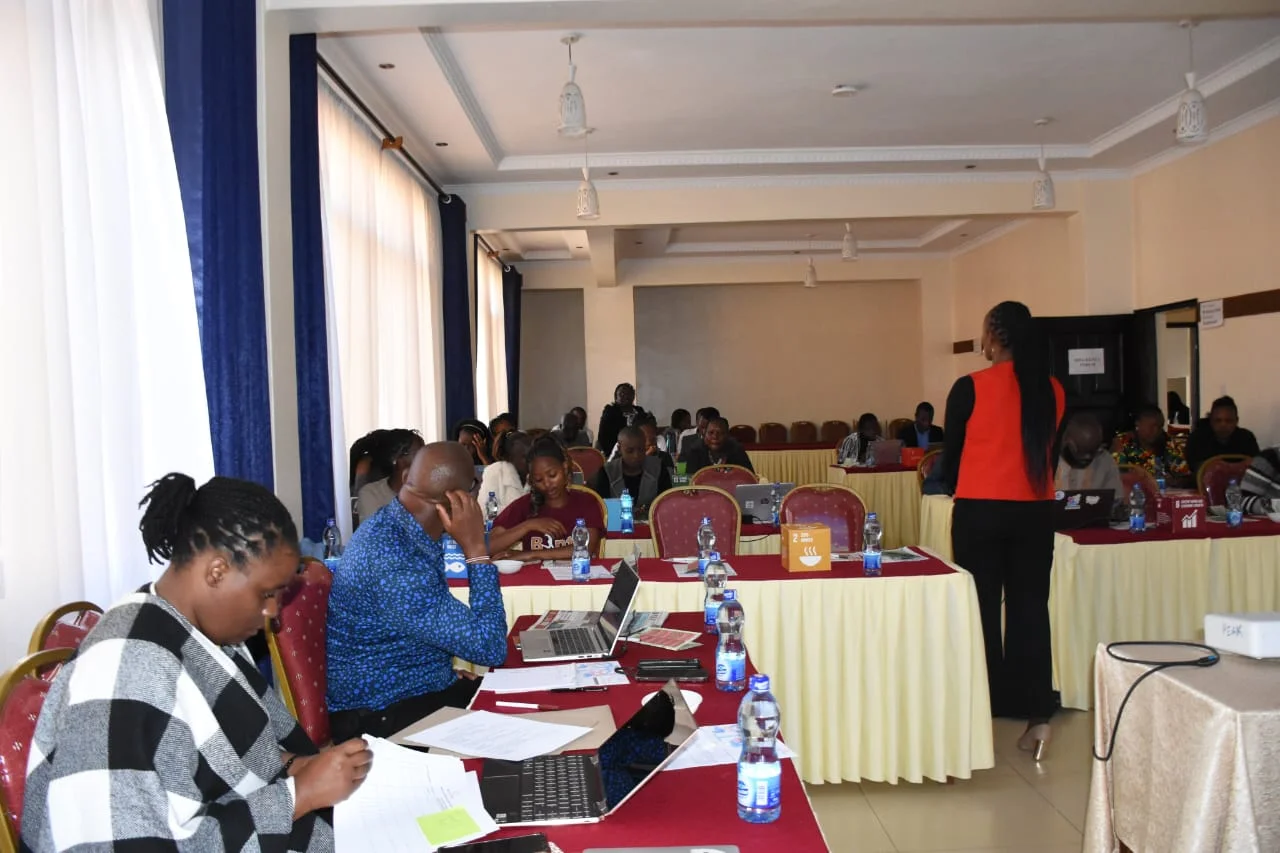 Policy training becomes meaningful when it improves how
communities and organizations engage with inclusion in real
decision-making spaces.
Policy training becomes meaningful when it improves how
communities and organizations engage with inclusion in real
decision-making spaces.
Why community dialogue matters just as much
Training alone is not enough. Community dialogue is where policy language meets lived reality. It creates space for people to test whether frameworks make sense on the ground, whether proposed approaches reflect actual barriers, and whether participation is being designed in ways that communities can truly engage with.
Dialogue also matters because it pushes back against one-directional development thinking. Rather than assuming solutions move from policy experts downward, meaningful dialogue allows communities to shape what relevance, fairness, and inclusion should actually look like in practice.
What this means for MKNF’s work
Mt. Kenya Network Forum’s involvement in this kind of process strengthens its broader mission. Climate justice, conservation, resilience, and community empowerment all become more credible when gender inclusion is treated as central rather than optional.
This also strengthens MKNF’s capacity to work with diverse community groups, women-led initiatives, youth spaces, and local actors whose experiences are essential to any serious conversation about sustainable development.
Looking ahead
The deeper value of this engagement lies in what it helps build over time: stronger awareness, more thoughtful participation, and better alignment between policy language and community realities. Gender equality is not achieved through one event, one workshop, or one statement. It is strengthened through continued learning, dialogue, and action.
For MKNF, that means continuing to engage inclusion as a practical concern woven through advocacy, partnership, environmental action, and community-centered work across the region.