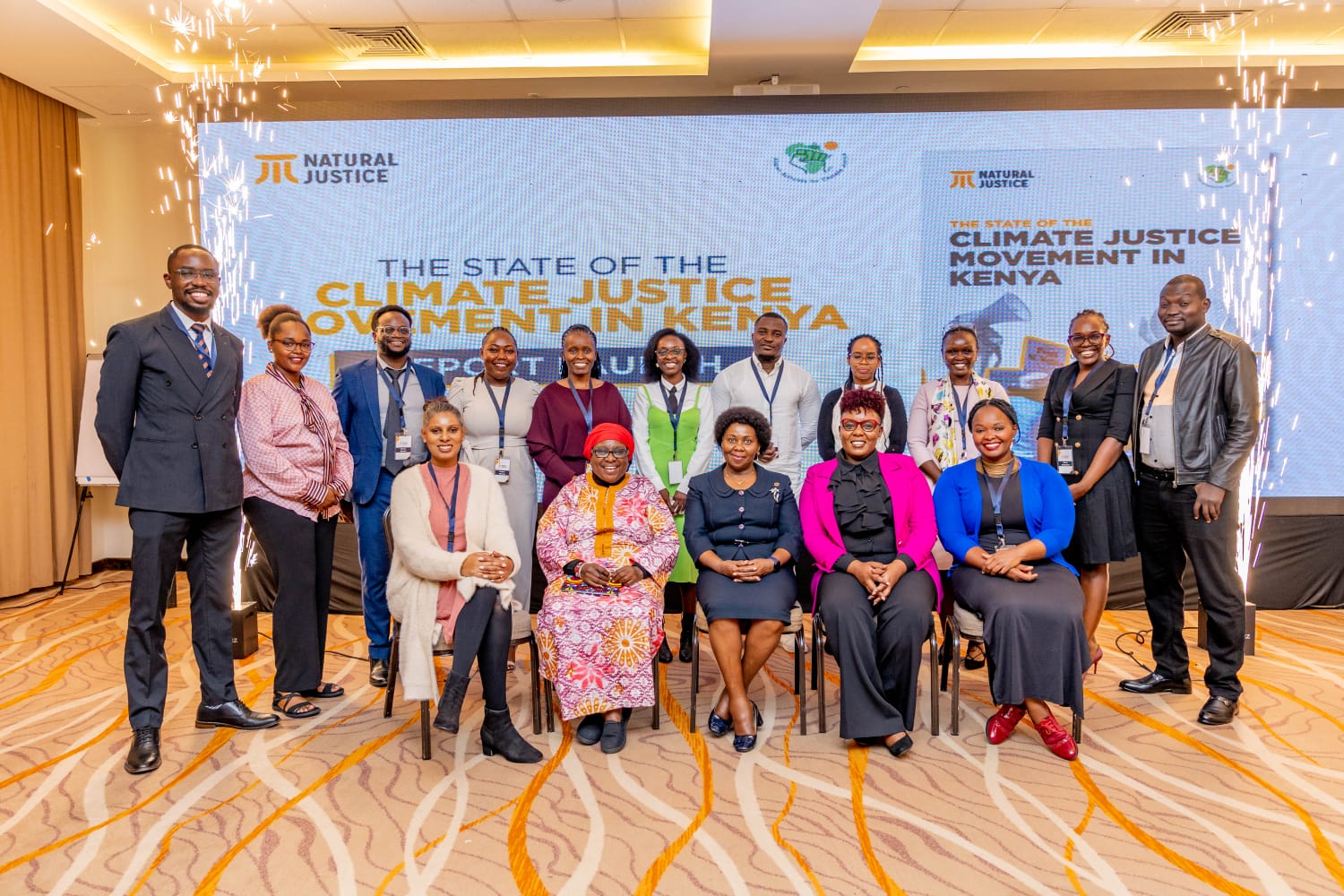
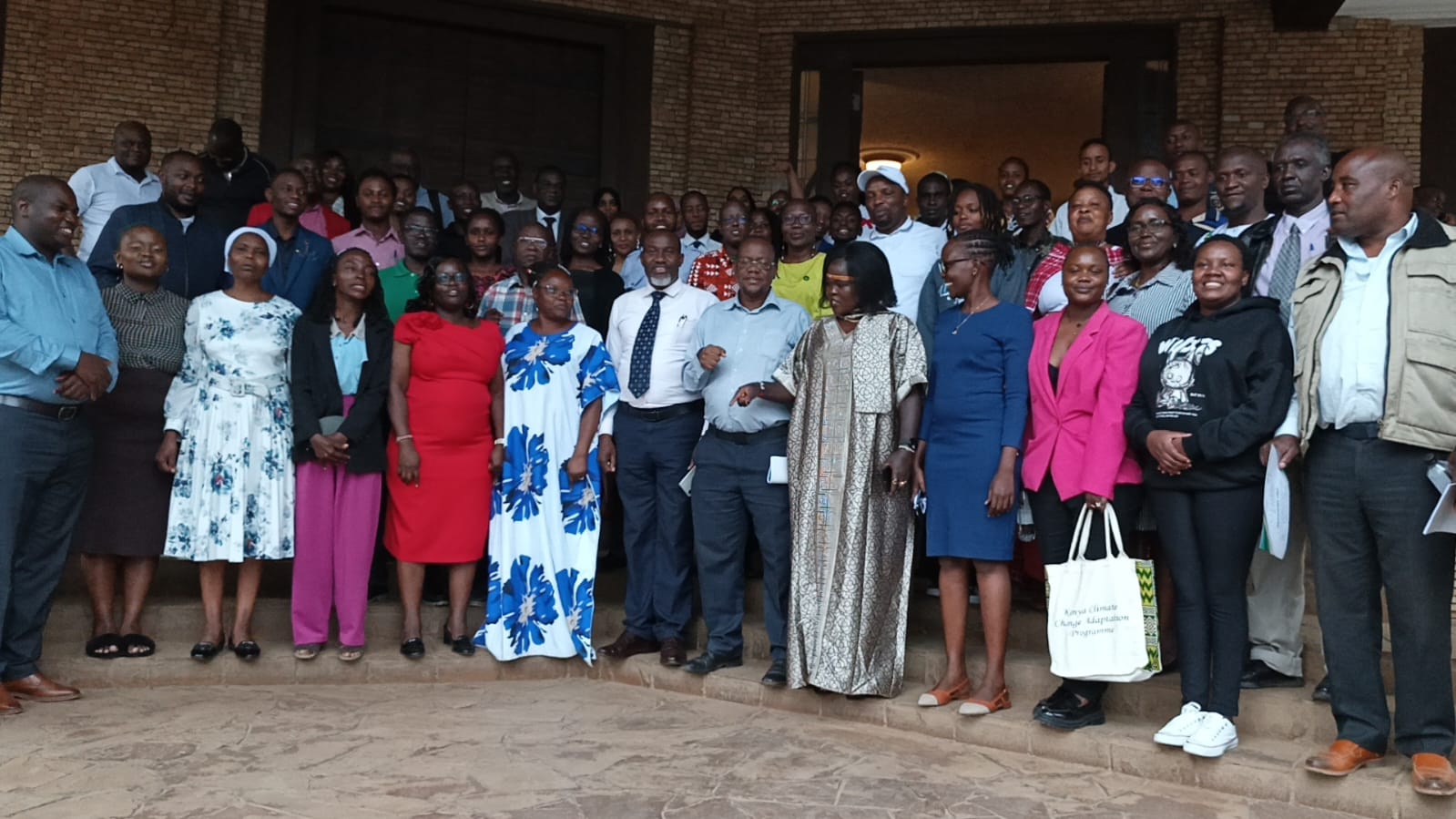
Mt. Kenya Network Forum’s entry into the national climate governance movement represents more than participation in another platform. It signals a stronger commitment to accountability, policy engagement, and the amplification of community voice in climate-related decision-making across Kenya. The article’s title itself frames the central concern clearly: governance must not become distant from the people most affected by climate realities. :contentReference[oaicite:2]{index=2}
Climate governance matters because policies, plans, and public commitments only carry weight when they are connected to local realities. Communities in the Mt. Kenya region are already living with the consequences of environmental change, pressure on natural resources, and uneven development pathways. For those communities, accountability is not an abstract governance concept. It is a question of whether institutions actually respond to lived realities.
Why joining the movement matters
National movements around climate governance create a wider platform for organizations like MKNF to push for transparency, better public participation, and stronger links between national decisions and community priorities. When local organizations join larger governance platforms, they help ensure that climate policy is not shaped only by technical language or top-level actors, but also by the people who carry the costs and responsibilities of implementation.
In practice, that means strengthening the bridge between local experience and national dialogue. It also means creating more room for communities, grassroots organizations, and regional actors to participate meaningfully in climate conversations that often move too quickly past them.
Climate accountability becomes real only when community voice is treated as part of governance itself, not as an optional afterthought.
Accountability as a practical issue
Accountability in climate governance is not just about reporting or compliance. It is about whether institutions, partnerships, and policy processes remain answerable to the people they claim to serve. For MKNF, this means pushing for systems where public participation is meaningful, commitments are followed through, and climate action is evaluated in terms of local impact rather than public relations language.
This is particularly important in contexts where policy promises are often stronger than implementation. Without accountability, climate governance risks becoming a series of documents rather than a driver of actual community resilience, environmental stewardship, and just development outcomes.
 Governance platforms matter most when they create room for
public voice, scrutiny, and practical follow-through.
Governance platforms matter most when they create room for
public voice, scrutiny, and practical follow-through.
Why community voice has to stay central
The article’s focus on “community voice” is not cosmetic. It points to one of the most important weaknesses in many governance spaces: communities are often invited to participate, but not always given enough influence to shape outcomes. MKNF’s presence in a national climate governance movement matters because it helps resist that pattern.
Bringing community experience into national climate conversations improves the quality of policy itself. Local actors understand the daily realities of resource stress, energy access, environmental degradation, social exclusion, and adaptation pressure in ways that centralized policy spaces often miss.
What this means for MKNF
Strategically, this kind of engagement gives MKNF more than visibility. It creates stronger positioning within the national climate conversation, broadens the organization’s advocacy reach, and reinforces its role as a bridge between grassroots realities and wider governance processes.
It also fits naturally with MKNF’s broader work in conservation, climate resilience, social justice, and community empowerment. Governance is not separate from that work. It shapes whether local priorities are heard, funded, protected, or ignored.
Looking ahead
Joining a national climate governance movement should be understood as a strategic step toward stronger public accountability and deeper representation of community realities in climate decision-making. It reflects an insistence that climate action must be transparent, participatory, and responsive.
For MKNF, the real value of this step lies in what it enables next: stronger advocacy, better partnerships, and more credible pressure for governance systems that recognize community voice as a core part of climate leadership in Kenya.