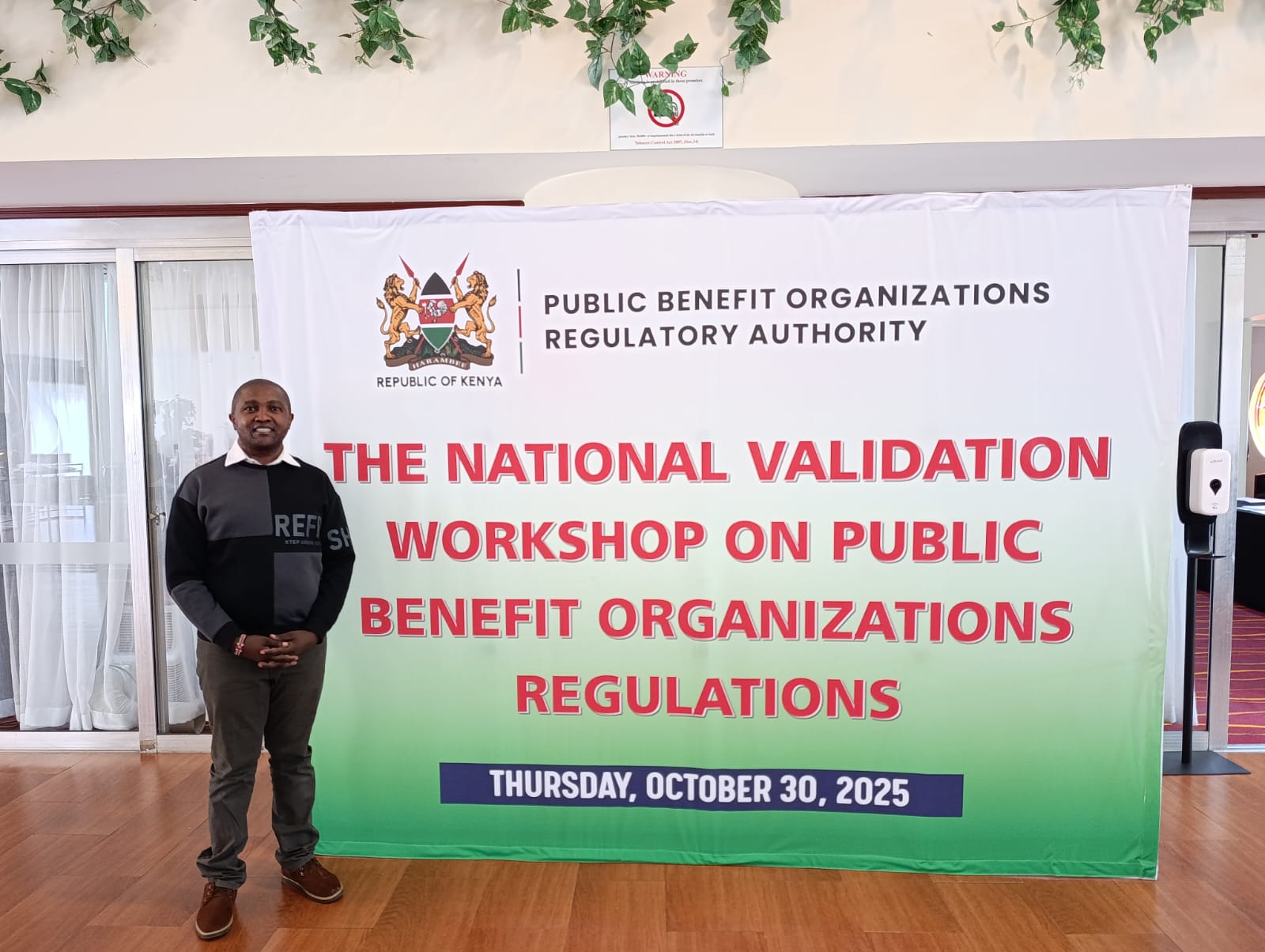
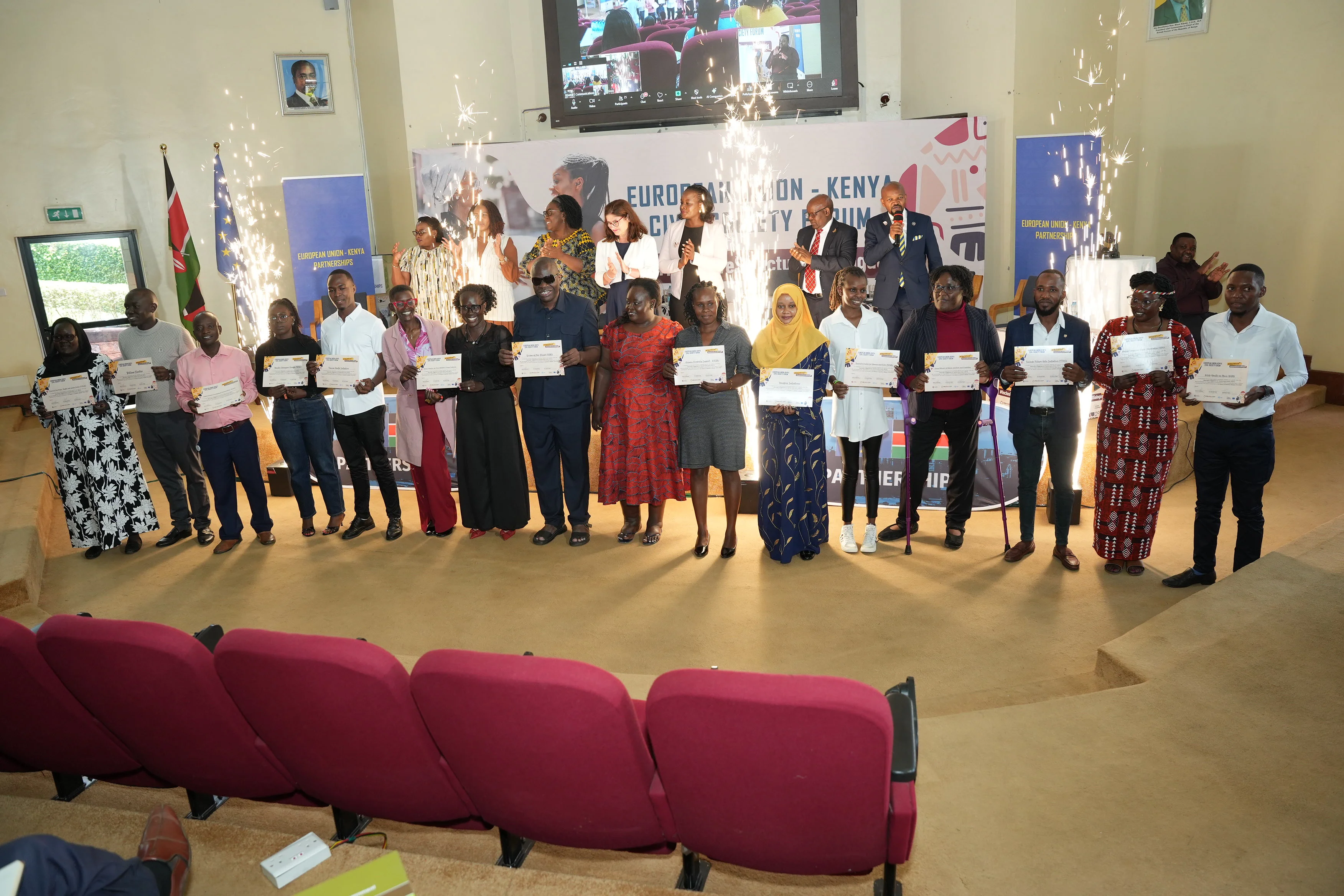
Mt. Kenya Network Forum (MKNF) participated in the High-Level EU–Kenya Civil Society Forum held in Nairobi on 13–14 November 2025. The convening brought together civil society leaders, development partners, and policy actors to reflect on civic engagement, policy priorities, and collaboration between the EU and Kenya’s civil society sector.
For MKNF, participation in such a forum is important because it creates a bridge between local realities and higher-level policy conversations. It is one thing for community issues to exist on the ground; it is another for those concerns to be represented in spaces where decisions, priorities, and partnerships are shaped.
Key highlights from the forum
One of the strongest themes at the forum was the importance of strengthening civil society engagement. The discussions created room for reflection on how civil society organizations can more effectively influence policy processes, improve accountability, and represent community voices at both national and regional levels.
Another major point of emphasis was inclusion and community-centered development. Conversations highlighted the need to keep grassroots communities — including those in the Mt. Kenya and ASAL regions — at the center of national development discussions. Governance, social inclusion, and climate resilience featured strongly throughout the forum.
The forum also explored opportunities for stronger partnerships. Participants reflected on how civil society organizations and development partners can collaborate more effectively to strengthen civic space and support transparent, people-driven development.
Representation matters most when it ensures local communities are not overshadowed in national and regional conversations about development, governance, and climate resilience.
Why this matters for our communities
Representing Mt. Kenya and the surrounding regions at this kind of platform matters because local priorities can easily be pushed aside in larger policy conversations. MKNF’s presence helped reinforce the need for grassroots realities to remain visible, especially in discussions around governance, inclusion, and resilience.
For MKNF, taking part in the forum also aligns with core commitments: amplifying grassroots voices, advancing environmental conservation and climate justice, promoting social inclusion, and supporting accountable governance. These are not isolated ideas — they are part of the same broader effort to connect policy spaces with lived community realities.
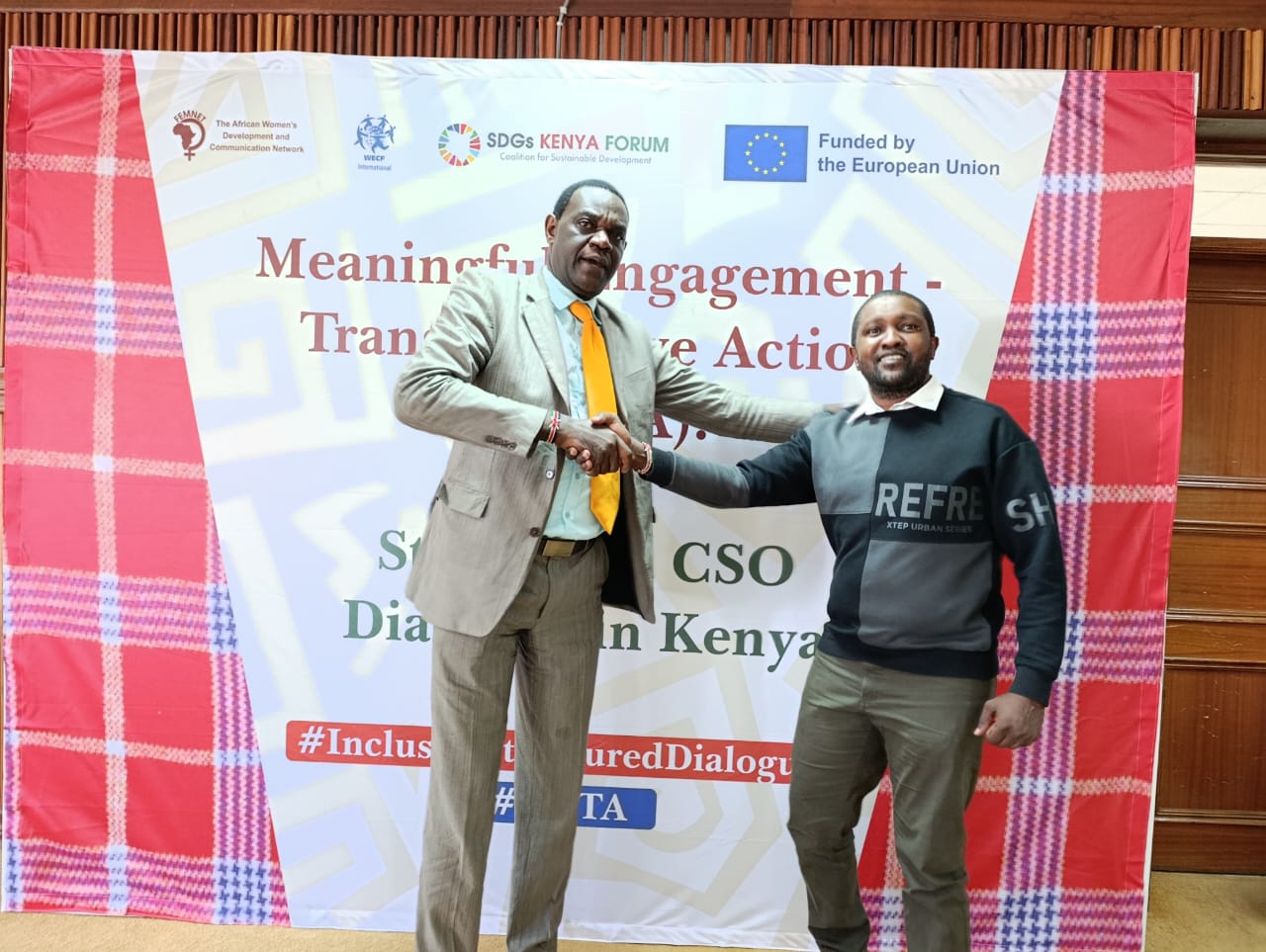 National and regional forums become more meaningful when
grassroots priorities are represented clearly and consistently.
National and regional forums become more meaningful when
grassroots priorities are represented clearly and consistently.
What MKNF takes forward from the forum
The value of participation is not just in being present. It is in what is carried forward afterward. The insights, conversations, and connections gained through the forum can strengthen how MKNF approaches partnerships, advocacy, and community engagement in the region.
These kinds of engagements also help the organization remain aware of wider policy shifts and partnership opportunities while keeping community needs at the forefront. That balance is critical. National visibility should never come at the cost of local relevance.
Looking ahead
MKNF will continue building on the insights and connections developed during the forum to deepen partnerships, strengthen community engagement, and advance advocacy work across the region.
The long-term direction remains clear: champion community-led solutions, strengthen inclusive participation, and keep pushing for development that is transparent, accountable, and grounded in the realities communities face.