Mt. Kenya Network Forum (MKNF) formally raised concerns regarding gaps in the public participation process around Laikipia County’s climate policy development. The issue was not simply whether a meeting took place, but whether the process was genuinely inclusive, accessible, and meaningful to the communities expected to engage with it.
Public participation is most useful when people are given enough time, enough information, and a fair opportunity to understand what is being proposed. When these conditions are weak, the process risks becoming procedural rather than genuinely participatory.
Why the concern was raised
MKNF’s position centered on the quality of participation. The concern was that communities and stakeholders may not have been given sufficient notice, adequate access to draft materials, or a process designed to support informed contribution. In a policy area as important as climate action, those gaps matter.
Climate policy affects livelihoods, environmental management, resilience planning, and local priorities. That means the process used to develop it should reflect the seriousness of the subject and the diversity of people who will be affected by the final outcome.
Meaningful public participation requires more than attendance. It requires access, time, clarity, inclusion, and a real pathway for public input to shape the final process.
Key concerns highlighted by MKNF
The concerns raised included inadequate notice to participants, simultaneous ward meetings that limited attendance and monitoring, limited access to draft documents before the sessions, a lack of a clear and transparent feedback mechanism, and the risk of excluding vulnerable or underrepresented groups from meaningful engagement. MKNF also questioned whether there had been enough time for technical reflection and substantive input.
These concerns matter because rushed or poorly structured participation can weaken trust in the process and reduce the quality of the final policy outcome. If people cannot prepare properly or understand what they are responding to, participation becomes shallow.
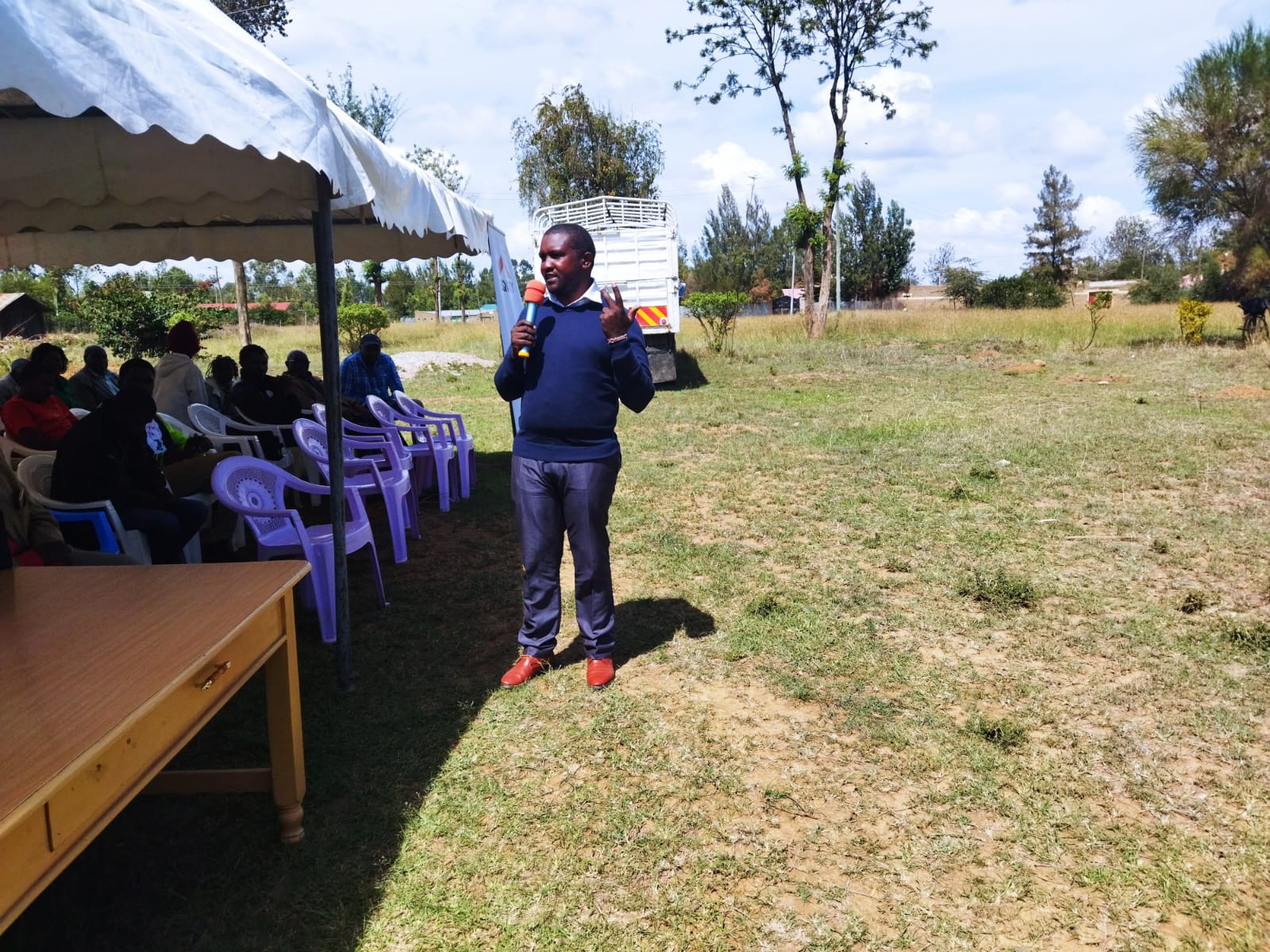 Meaningful climate governance depends on informed, inclusive,
and well-structured public participation.
Meaningful climate governance depends on informed, inclusive,
and well-structured public participation.
What MKNF called for
MKNF’s recommendations focused on strengthening the process rather than dismissing participation altogether. The call was for a more transparent, inclusive, and technically credible approach that gives communities and stakeholders a real chance to review, deliberate, and contribute.
This includes improving notice periods, ensuring wider access to relevant draft documents, making feedback pathways clearer, allowing enough time for reflection, and creating a process that does not unintentionally exclude those who should be part of the conversation.
Why this matters beyond one county
This issue is bigger than one policy moment. It speaks to a wider question of how climate governance is approached: whether it is done with communities or simply presented to them. For climate policy to be effective, it must also be legitimate in the eyes of the people expected to live with its consequences.
MKNF’s intervention reflects a broader commitment to public accountability, community voice, and decision-making processes that treat participation as a serious democratic and development responsibility.
Looking ahead
MKNF’s position is ultimately constructive. The goal is not to block climate policy, but to strengthen the process so that the final framework reflects better participation, stronger public trust, and more grounded implementation.
As climate policy continues to shape local realities, the quality of participation will remain just as important as the policy text itself.